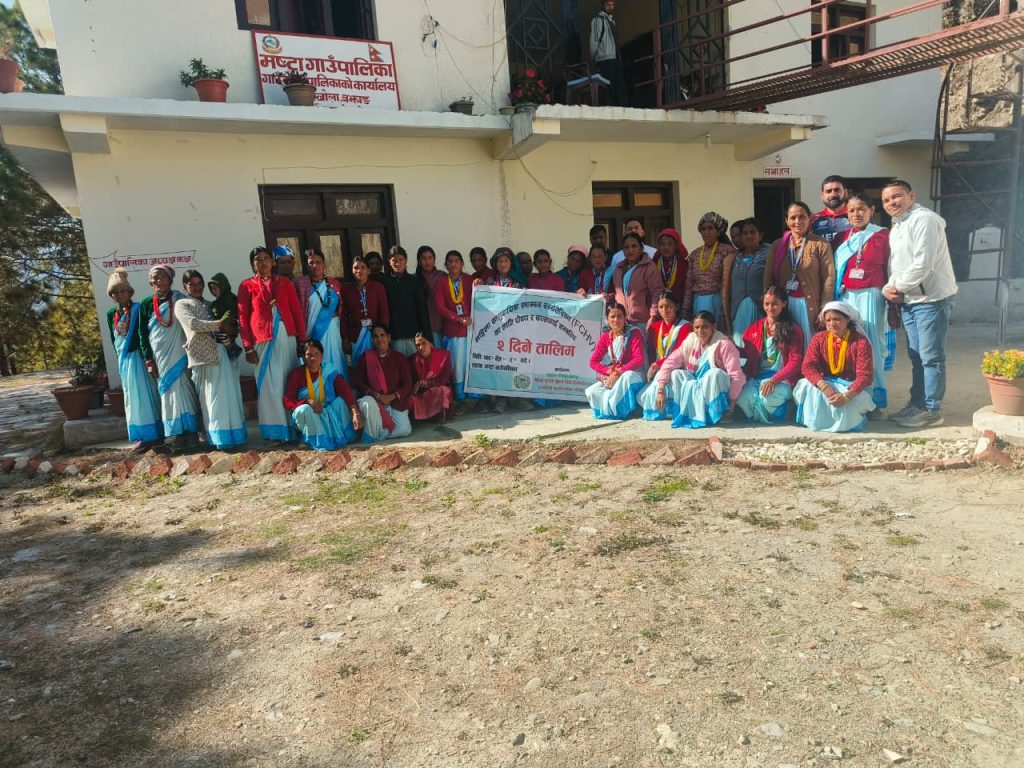

Masta RM, 25 March 2026
Two-Day Nutrition and Sanitation Training Successfully Completed in Masta Rural Municipality
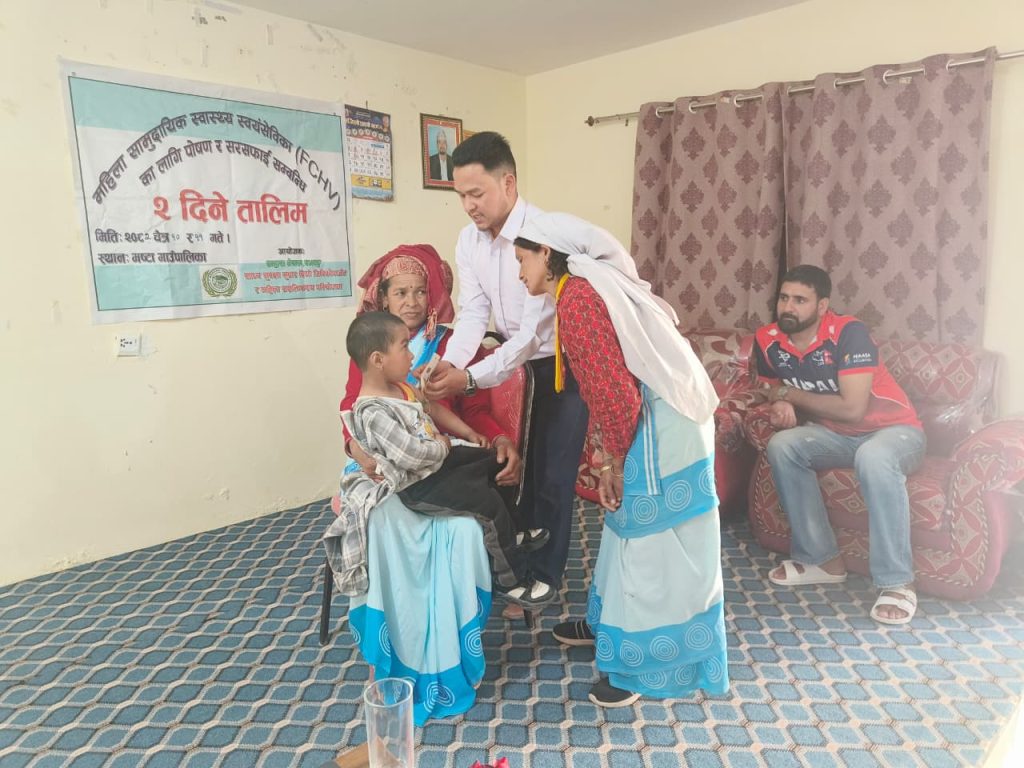
Sahara Nepal Bajhang successfully organized a two-day training on nutrition and sanitation for Female Community Health Volunteers (FCHVs) on March 24–25, 2026, in Masta Rural Municipality. The training was conducted under the “Improved Food Security, Sustainable Livelihood and Empowerment of Women” project, with financial support from Swallows of Finland.
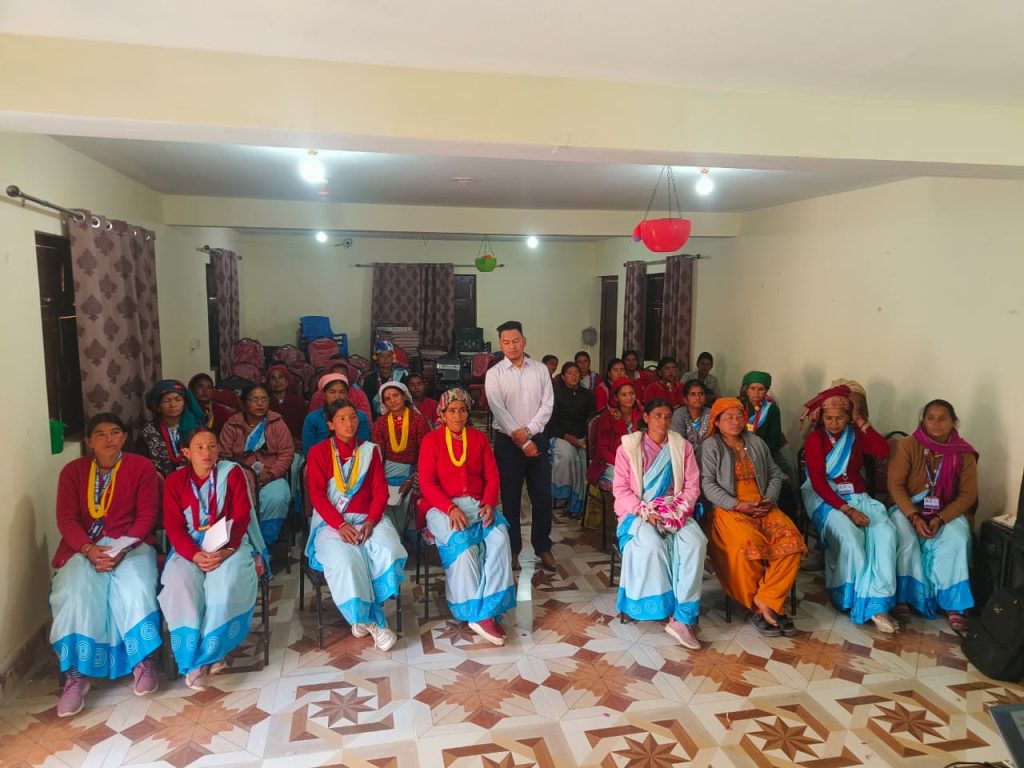
The program aimed to strengthen the knowledge and capacity of FCHVs, who play a vital role in delivering basic health services and raising awareness at the community level. Throughout the training, participants engaged in interactive sessions covering a wide range of essential and practical topics. These included nutrition and balanced diets, personal and environmental hygiene, reproductive health, family planning, safe motherhood, and safe abortion. In addition, the training addressed adolescent health, menstrual hygiene management, and the prevention of non-communicable diseases, all of which are critical to improving overall community health.
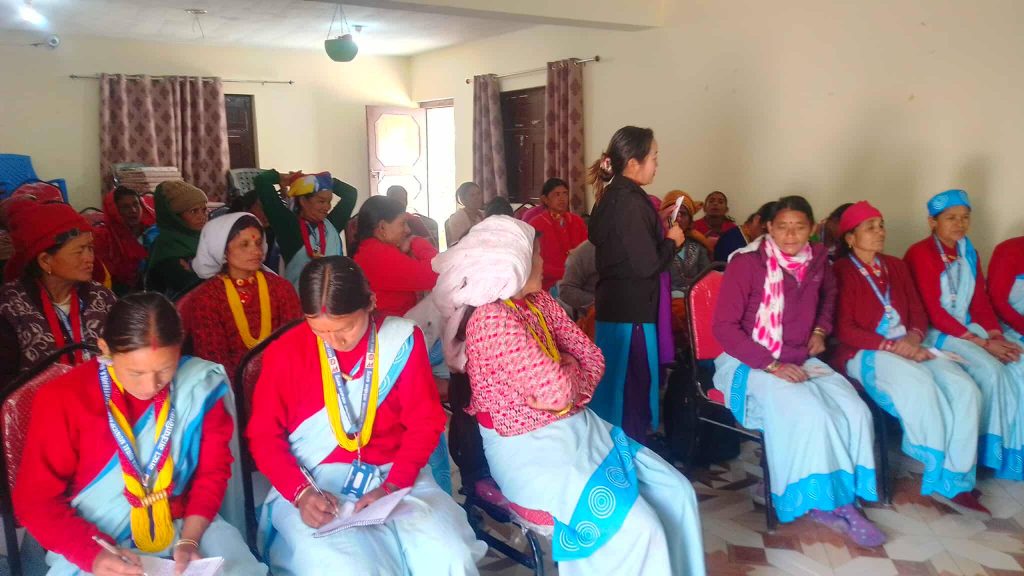
The sessions were designed to be participatory and practical, encouraging volunteers to share their experiences and learn from real-life situations in their communities. This approach helped ensure that the knowledge gained is relevant, applicable, and easily transferable to the households and communities they serve.
By the end of the training, participants demonstrated increased understanding and confidence in addressing key health issues. They are expected to actively apply the skills and knowledge gained to promote healthy behaviors, improve sanitation practices, and raise awareness about nutrition and reproductive health within their communities.
Such capacity-building initiatives are essential for strengthening local health systems and enhancing the effectiveness of community-based health services. By empowering Female Community Health Volunteers with practical knowledge and skills, Sahara Nepal continues to contribute to improved community well-being, better health outcomes, and the long-term empowerment of women in rural areas.
Sahara Nepal remains committed to working closely with local stakeholders and partners to implement impactful programs that support sustainable development and improve the quality of life for vulnerable communities.